From Ancient Standard to Modern Asset: The End of Gold-Backed Money
For millennia, gold held an undisputed reign as the ultimate arbiter of value. Its inherent scarcity, lustrous beauty, and resistance to corrosion made it the perfect foundation for monetary systems, underpinning trade and wealth across civilizations. From the ancient Egyptians to the bustling markets of the 19th century, gold wasn't just valuable; it *was* money. Currencies were often direct representations of a fixed quantity of gold, lending them stability and universal acceptance. However, the 20th century witnessed a seismic shift, culminating in what many refer to as "The Gold Standard's End." This pivotal transition, marked by the widespread adoption of fiat currency, fundamentally reshaped the global financial landscape and redefined gold's role from a monetary bedrock to a distinct, highly-sought-after investment asset. Understanding this evolution is crucial for anyone seeking to decipher the gold chart today.
The Golden Age of Monetary Stability: A Brief History
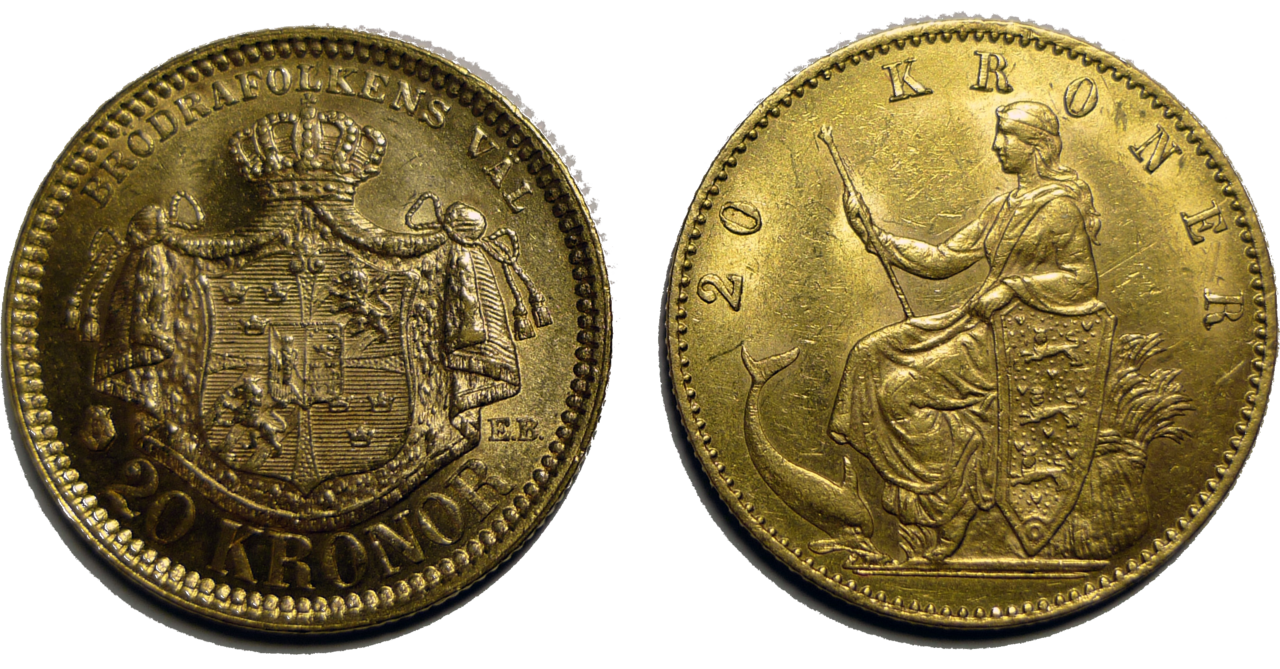
The concept of a gold standard gained significant traction in the latter part of the 19th century, with numerous European nations pegging their currencies directly to a specific weight of gold. This system provided a remarkable degree of economic stability, fostering international trade by offering predictable exchange rates. The underlying principle was simple: a country's central bank held gold reserves equivalent to the currency it issued, ensuring that paper money could, in theory, always be converted back into physical gold. This imposed a natural discipline on government spending and prevented runaway inflation, as currency issuance was constrained by gold availability.
However, the rigidities of the gold standard became apparent during times of extreme stress. The immense financial strains of World War I forced many countries to temporarily suspend their gold standards, as they needed to print more money to finance the war effort than their gold reserves would allow. While there were attempts to reinstate gold-backed systems in the interwar period, none fully recaptured the stability of the pre-war era.
The post-World War II landscape saw the emergence of the Bretton Woods system in 1944, an innovative compromise designed to stabilize the global economy. Under this agreement, the United States dollar was pegged to gold at a fixed rate of US$35 per troy ounce. Other major world currencies, in turn, pegged their value to the U.S. dollar. This effectively created a modified gold standard, with the dollar acting as the world's reserve currency and indirectly backed by American gold reserves. It was a period of relative economic growth and international cooperation, but even this system carried the seeds of its eventual demise.
The Nixon Shock: The Divorce from Gold
The Bretton Woods system, despite its initial success, came under increasing pressure in the late 1960s. Mounting US government spending, particularly on the Vietnam War and domestic social programs, led to an excess of dollars circulating globally. Other countries began to question the dollar's ability to maintain its gold convertibility, leading to a growing demand to exchange dollars for gold from US reserves. This outflow of gold threatened the very foundation of the system.
The culmination arrived on August 15, 1971. In a move that shocked the world, President Richard Nixon unilaterally announced the suspension of the direct convertibility of the United States dollar to gold. This historic decision, often referred to as the "Nixon Shock," effectively dismantled the Bretton Woods system and marked the definitive end of the gold standard for the world's dominant currency. With this stroke, the global financial system transitioned entirely to a fiat currency model.
Fiat currency, derived from the Latin "fiat" meaning "let it be done," is intrinsically different from gold-backed money. Its value is not derived from a physical commodity but from government decree, trust in the issuing authority, and the collective agreement of its users. The last major currency to formally sever its ties with gold was the Swiss franc, which removed its constitutional gold backing in 2000, underscoring the universal shift towards pure fiat systems.
Gold in the Fiat World: A Transformed Role
The transition to fiat currency profoundly altered gold's position in the global economy. No longer serving as the official benchmark for currency value, gold evolved into a unique and powerful investment asset. Its value became subject to market forces, supply and demand, and investor sentiment, leading to increased volatility but also unprecedented growth. The dramatic peak in 1980, for instance, saw gold prices soar following a decade of high inflation, oil shocks, and geopolitical instability, including the Soviet involvement in Afghanistan – a clear illustration of how gold can react to economic and political turmoil in a fiat world.
Today, the gold chart is one of the most closely watched indicators in financial markets worldwide. It offers critical insights into investor psychology, economic health, and geopolitical tensions. Unlike paper money, gold retains its tangible appeal as a physical form of wealth, often seen as a hedge against inflation and currency debasement. When central banks print more fiat money, potentially eroding its purchasing power, gold historically tends to maintain its value, if not appreciate. This makes it a popular choice for investors seeking to diversify risk, especially through instruments like futures contracts and derivatives.
For more detailed insights into gold's role as a portfolio enhancer, read our article: Gold as an Investment: Store of Value and Risk Diversifier.
How Gold is Priced Today
In the absence of a fixed convertibility rate, gold's price is determined by continuous trading on global markets. Since 1919, the London gold fixing has served as a key benchmark, a twice-daily meeting of representatives from major bullion-trading firms to set a transparent price. However, gold is also traded continuously across the world through over-the-counter (OTC) markets, generating an intra-day spot price (coded as ISO 4217 "XAU"). This spot price, typically quoted in US Dollars, serves as the common yardstick for measuring gold's value globally, reinforcing the dollar's role as the world's reserve currency even after its detachment from gold.
Understanding the factors that influence this dynamic pricing is paramount for investors. Key drivers include:
- Inflation Expectations: Gold often performs well when investors anticipate rising inflation, as it's seen as a store of value that preserves purchasing power better than fiat currencies.
- Interest Rates: Higher real interest rates (nominal rates minus inflation) tend to make gold less attractive, as it doesn't offer a yield. Conversely, lower rates can boost gold's appeal.
- Geopolitical Instability: Periods of war, political unrest, or economic crises often send investors flocking to gold as a safe-haven asset.
- US Dollar Strength: Since gold is typically priced in US dollars, a stronger dollar generally makes gold more expensive for holders of other currencies, potentially dampening demand, and vice-versa.
- Supply and Demand: Mining output, central bank purchases/sales, and industrial demand all play a role.
For a deeper dive into the historical price movements and the evolution of gold pricing mechanisms, explore our article: Gold Price History: From Bretton Woods to Global Spot Markets.
Investing in Gold: Navigating the Fiat Landscape
For modern investors, gold remains a compelling asset, but its utility has shifted from a direct monetary standard to a strategic portfolio component. Here are some actionable insights:
- Portfolio Diversification: Gold has historically shown a low correlation with other asset classes like stocks and bonds, making it an excellent tool for diversification and potentially reducing overall portfolio risk during market downturns.
- Inflation Hedge: In an era where central banks can expand the money supply without gold backing, the risk of inflation is ever-present. Gold offers a historical hedge against the erosion of purchasing power.
- Safe-Haven Appeal: During times of economic uncertainty, geopolitical turmoil, or financial crises, gold often serves as a "safe haven," attracting capital flight from riskier assets. Monitoring the gold chart during such events can reveal its typical inverse correlation with market stability.
- Methods of Investment: Investors can gain exposure to gold through various avenues:
- Physical Gold: Bars, coins, and jewelry offer direct ownership.
- Gold ETFs: Exchange-Traded Funds provide an accessible way to invest in gold without the hassle of physical storage.
- Gold Mining Stocks: Investing in companies that mine gold offers leverage to gold price movements, though it also comes with company-specific risks.
- Futures and Options: For sophisticated investors, these derivatives offer ways to speculate on or hedge against gold price fluctuations.
Understanding the interplay between global economics, monetary policy, and investor sentiment is key to interpreting the often volatile movements reflected in the gold chart. While its days as the sole monetary standard are behind it, gold's fundamental appeal as a tangible, globally recognized store of value endures, making it a critical asset in the modern fiat-dominated financial world.
Conclusion: Gold's Enduring Legacy Beyond the Standard
The journey from a universal gold standard to a fiat currency system represents one of the most profound transformations in economic history. While gold no longer dictates the value of our everyday money, its influence and importance have not waned. Instead, it has evolved, adapting to become a critical asset in the financial markets, revered for its ability to diversify risk, act as an inflation hedge, and provide a safe haven during times of uncertainty. The gold chart, far from being a relic, serves as a dynamic narrative of global economic forces, investor confidence, and the enduring human desire for a tangible store of wealth. In a world of ever-changing paper currencies, gold's intrinsic value and scarcity continue to make it a timeless investment, bridging the past with the present in the complex tapestry of global finance.